 Mental Clarity
Can Poor Sleep Affect Memory?
A calm, practical guide for adults 50 plus on regaining mental clarity, focus, and steady recall after restless sleep.
A Calm Look at What You Are Experiencing
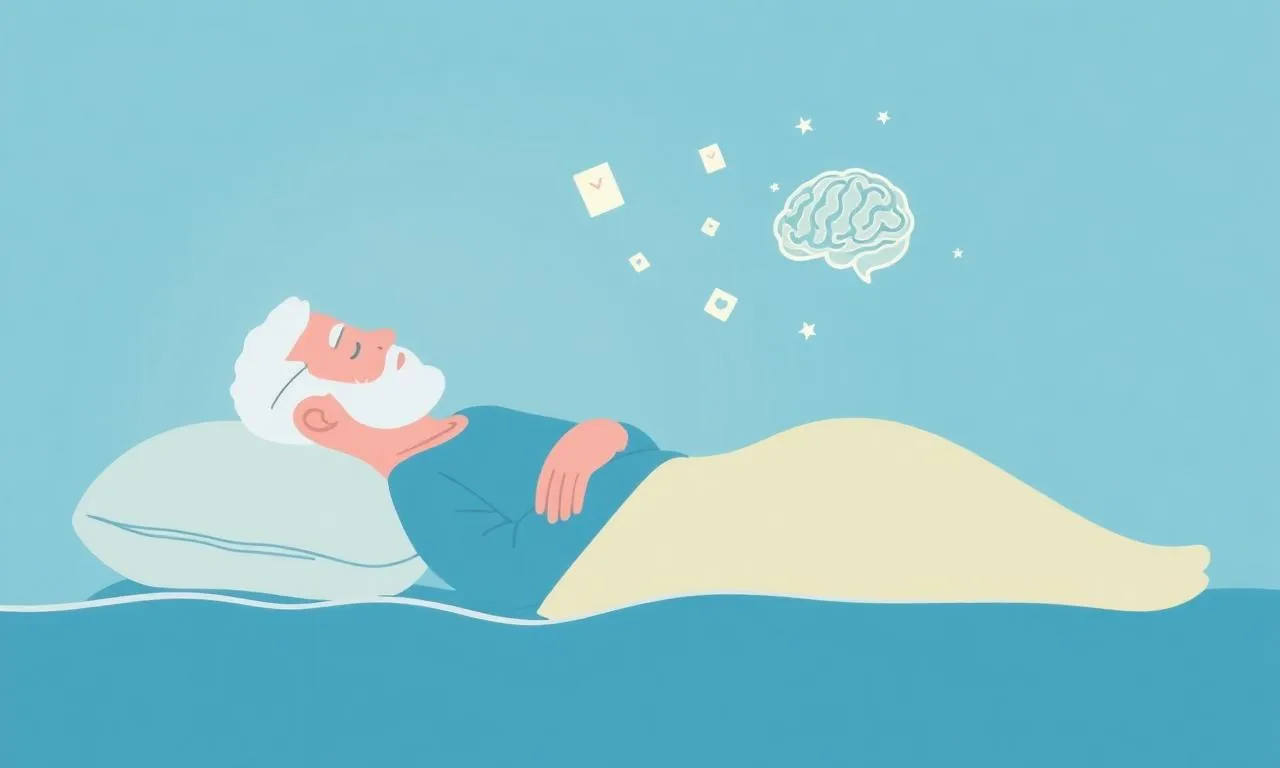
Memory and sleep work together more closely than most people realize. When sleep is shallow or interrupted, the brain has less time to file the day into long term storage. The next day, names, lists, and small details can feel slippery.
Common Symptoms You May Notice
- Forgetting recent conversations
- Misplacing everyday objects
- Trouble recalling names
- Reading a paragraph twice
- Pausing mid sentence to find a word
- Difficulty learning new information
Daily Life Examples
- Walking into a room and forgetting why
- Forgetting an appointment that was confirmed yesterday
- Looking for glasses that are on your head
- Re asking the same question within an hour
- Forgetting a familiar password
A Practical Explanation
During deep and REM sleep, the brain replays the day and strengthens the connections that hold memories. Poor sleep cuts this rehearsal short, which is why recall feels weaker the next morning. Restoring rest gives the brain the quiet time it needs to consolidate properly.
For deeper context, you may also enjoy the homepage overview on why your brain feels slower after poor sleep, along with related notes on mental slowness after a bad night and the afternoon brain crash.
Mini Self Check
Take a quiet moment and ask yourself:
- Did you sleep less than six hours last night?
- Is your focus today noticeably slower than usual?
- Are you reaching for caffeine more than once before noon?
If you answered yes to two or more, the recovery resource below was built with situations like yours in mind.
A Resource Many Adults 50 Plus Find Helpful
If poor sleep keeps clouding your day, consider exploring the calm, structured guide below. It is the same resource referenced throughout this page.
Frequently Asked Questions
Can one bad night affect my memory?
Yes. Memory consolidation happens largely during sleep, so a single restless night can reduce recall the next day.
Is forgetfulness after 50 always serious?
Not always. Mild forgetfulness can be sleep related. Persistent or worsening memory loss should be reviewed by a qualified professional.
How many hours of sleep support memory?
Most adults benefit from seven to eight hours, with consistent timing.
Do naps help memory?
Short naps can support memory. Avoid long naps after 3 pm.
Does stress affect memory through sleep?
Yes. Stress fragments sleep, which then reduces memory consolidation.
Can hydration affect recall?
Mild dehydration can reduce focus, which then feels like memory loss.
Is brain fog the same as memory loss?
Not exactly. Fog is reduced clarity. Memory loss is failure to recall information.
Should I write things down more?
Yes. External notes reduce the load on a tired brain.
Is the recommended resource a treatment?
No. It is an educational guide that many readers find helpful.