 Mental Clarity
Why Your Brain Feels Slower After Poor Sleep
A calm, practical guide for adults 50 plus on regaining mental clarity, focus, and steady recall after restless sleep.
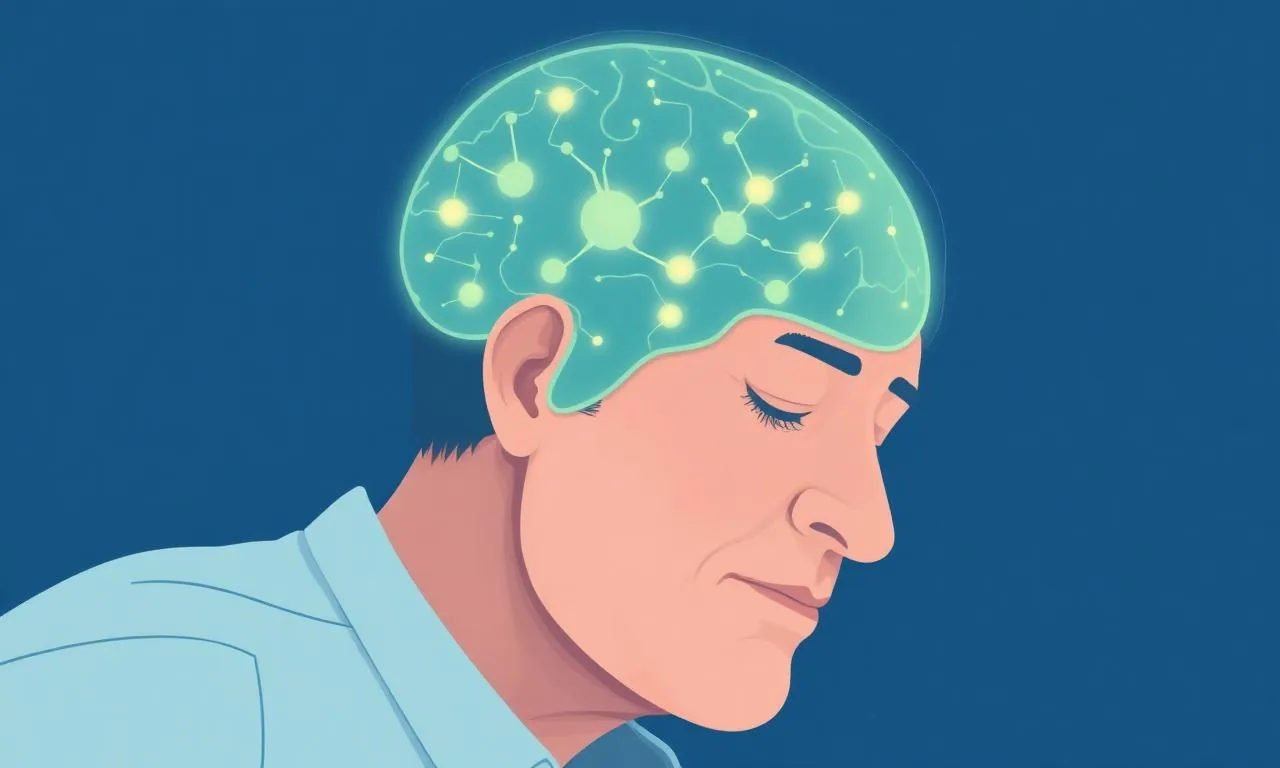
Does This Sound Like You?
Many adults 50 plus quietly notice their thinking is not as quick as it once was. Words take longer to find. Names slip out of reach. The afternoons feel heavier than they used to.
If poor or restless sleep is part of the picture, you are far from alone. The connection between rest and brain performance is real, and it tends to grow more noticeable with age.
Common Signs of a Slower Brain After Poor Sleep
- Mental slowness when starting the morning
- Forgetfulness with names, lists, and small tasks
- Difficulty staying focused during conversations
- A heavy fog that settles in around the early afternoon
- Needing to reread the same sentence several times
- Reaching for coffee just to feel functional
Why Sleep Affects Your Brain More After 50
Deep sleep is the time when the brain consolidates memory, clears metabolic waste, and balances key chemicals. As we age, this restorative phase becomes shorter and more fragile. A single rough night can leave the next day feeling slow, heavy, and unfocused.
Several pages on this site explore the topic in depth. Begin with how poor sleep affects memory, then read about why you feel slower after a bad night, and finish with the afternoon brain crash.
Quick Self Categorize
Pick the description that fits you best today:
- Foggy mornings. You wake up tired even after a full night in bed.
- Mid day slowdown. Your focus dips noticeably between two and four in the afternoon.
- Restless nights. You wake several times and feel scattered the next day.
- Frequent forgetting. Names, dates, and small details often slip away.
Whichever you chose, the resource below was put together with these patterns in mind.
About This Page
This site is an independent informational resource focused on sleep recovery and mental clarity for adults 50 plus. It does not diagnose, treat, or cure any condition. The intent is calm, practical guidance and pointers to resources that may help.
A Helpful Next Step
If your brain has felt noticeably slower after poor sleep, take a quiet look at the resource below. It is gentle, structured, and built for adults like you.
Frequently Asked Questions
Why does my brain feel slower after poor sleep?
Sleep is when the brain repairs and reorganizes itself. When that process is interrupted, focus, recall, and processing speed often feel reduced the next day.
Is brain fog after a bad night normal at my age?
Occasional fog is common as the deep sleep phase becomes shorter with age. Persistent fog deserves a calm conversation with a qualified professional.
Can a single night of poor sleep really make a difference?
Yes. Even one night of fragmented sleep can affect attention, working memory, and reaction time the following day.
Does coffee fix the slowness?
Caffeine masks tiredness for a short time but does not restore the deep sleep your brain needs.
What time should adults 50 plus go to bed?
Most adults benefit from a consistent bedtime that allows seven to eight hours in bed. Consistency tends to matter more than the exact hour.
Are naps good or bad for clarity?
Short naps under 30 minutes can help. Longer naps late in the day may interfere with night sleep.
Is the afternoon crash related to sleep?
Often yes. Poor overnight rest commonly shows up as a sharp dip in clarity around two or three in the afternoon.
Does this site provide medical advice?
No. The content here is informational only and is not a substitute for professional guidance.
Is the recommended resource safe to read?
It is an educational guide. Use it as one helpful input alongside common sense and any advice from your healthcare provider.